
Building Courageous Collaboration From Any Seat
Today we explore creating psychological safety as a team member—how to foster trust, invite candor, and encourage learning regardless of title. You will find practical moves, language to borrow, and stories that prove small shifts compound into resilient, high-performing collaboration, even when uncertainty is high and deadlines are close.
Understanding Psychological Safety Without the Jargon
Psychological safety means people can ask questions, share concerns, and admit mistakes without fear of embarrassment or punishment. As a peer, you influence that climate more than you realize. Your reactions set a tone others mirror, shaping whether creativity flourishes or anxiety quietly throttles experimentation.
What It Is, Really
Think of psychological safety as the felt permission to be human while doing hard things together. It does not mean being comfortable all the time. It means trust that candor, questions, and risk-taking will be met with curiosity, accountability, and care, not ridicule, blame, or career penalties.
Why It Transforms Results
Teams with high psychological safety learn faster because people surface weak signals early, preventing expensive surprises later. Bugs are flagged sooner, near-misses become teachable moments, and fresh ideas appear from unexpected voices. Over time, morale improves, rework shrinks, and the group moves from defensive posturing to shared problem-solving.
Your Role Starts Today
You do not need authority to start. The way you respond to questions, distribute airtime, and acknowledge uncertainty either opens or closes possibilities. Begin with one meeting, one message, one repair after tension. Small, repeated gestures—listening fully, thanking dissent—change expectations and quietly reset team norms for everyone.
Everyday Micro-behaviors That Open Doors
Trust grows in tiny, observable moments. The words you choose, the pause you hold after a tough question, and the follow-up you make after a meeting all communicate safety. Practice consistent micro-behaviors until they become the team’s shared, reliable rhythm rather than rare, situational exceptions.
Navigating Conflict So Candor Feels Safe
Disagreement need not damage relationships. The danger emerges when conflict becomes personal, ambiguous, or winner-take-all. By naming interests, separating ideas from identity, and agreeing on repair paths, you help transform tension into usable information and preserve momentum toward outcomes everyone genuinely supports.
Disagree Without Dismissal
Replace “Yes, but” with “Yes, and” to acknowledge valid points before presenting alternatives. Use neutral descriptions of trade-offs, not labels that imply incompetence. Anchor on shared goals, clarify criteria, and timebox debate. People feel respected, ideas sharpen, and the conversation stays about the work rather than worthiness.
Repair After Rupture
When voices rise or faces close, take responsibility for your part quickly. Try, “I interrupted you and missed your point. Can we rewind?” A timely repair resets emotional equilibrium and models maturity. Others learn conflict is survivable, which paradoxically encourages more honest input before problems become entrenched.



Inclusion You Can Practice In Every Meeting
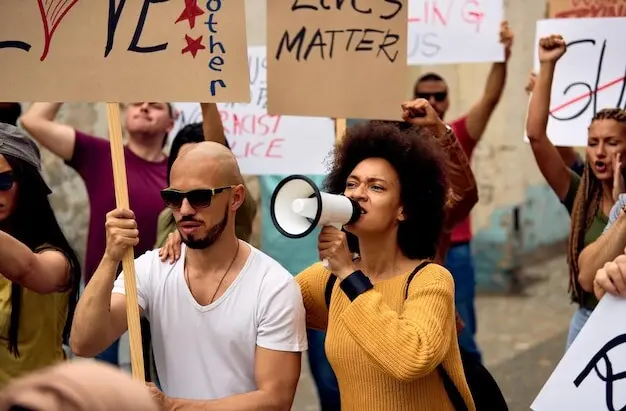
Ideas do not equal impact unless everyone can contribute meaningfully. Psychological safety expands when structure counteracts power dynamics, language barriers, and neurodiverse preferences. With lightweight facilitation, you raise the floor for participation, making brilliance less dependent on extroversion, seniority, or who thinks fastest under pressure.
Rituals And Agreements Your Team Can Adopt
Reliable safety thrives on reliable habits. Clear agreements and simple rituals keep expectations visible when pressure rises. These artifacts reduce ambiguity, helping people brace for healthy debate, contribute efficiently, and recover quickly after missteps without reopening old arguments or relying on unspoken, uneven social cues.
Simple Signals To Track
Count questions asked by different voices, time to raise risks, and percentage of meetings with explicit dissent. Note interruptions, follow-ups, and how quickly ideas from juniors get acknowledged. These lightweight indicators reveal whether your environment invites contribution or slowly teaches people to stay quiet.
Retrospectives With Psychological Safety In Mind
Start with appreciations to regulate nervous systems, then analyze process, not people. Use anonymized idea gathering if needed, and rotate facilitation to distribute influence. End with one or two concrete experiments. Retros become safe laboratories where candor, accountability, and optimism can coexist confidently.
Personal Experiments And Habit Stacking
Pick one behavior—pause before replying, ask a learning question daily, summarize before critiquing—and tie it to an existing routine. Track it visibly for two weeks. Share outcomes with teammates to normalize growth. Small, durable habits multiply, gradually resetting expectations about how collaboration should feel.
Measure, Reflect, Improve Together
Safety is experienced, but it can be observed and improved. Look for behavioral signals, run small experiments, and revisit results openly. When peers own measurement with kindness, metrics become mirrors, not weapons, and progress becomes a shared craft rather than a leadership mandate that people quietly resist.